
Your Network Is Only as Safe as the Devices on It

When people think about cyber security, they often picture hackers, ransomware, or scary headlines about data breaches.
What’s less obvious is that many network security issues don’t start with an attack at all – they start quietly, with everyday devices sitting on the network doing exactly what they were designed to do.
In this blog, we’ll look at what actually sits on a modern business network, why some devices quietly introduce risk over time, and how sensible network design can reduce that risk without making day-to-day work harder. It’s not about technical jargon or over-engineering – just clear, practical thinking around how networks are structured and maintained.
Printers, Wi-Fi access points, firewalls, switches, door systems, cameras, even meeting room screens – all of them are “endpoints”.
And if they’re not properly managed or separated, they can unintentionally open doors you didn’t even realise existed.
New Year, New IT Resolutions for 2026

A new year always brings fresh energy – new goals, new plans, and the familiar feeling that this might be the year things finally run a little smoother.
For many businesses, 2026 will be about working smarter, reducing risk, and getting more value from the technology they already rely on every single day.
The start of a new year is also a natural pause point. A chance to step back and ask a simple question: Is our IT actually helping the business move forward, or is it quietly holding us back?
In this blog we look at a few IT-focused New Year’s resolutions we’re seeing more companies think about as they head into 2026 – not as wishful thinking, but as practical steps that can make a real difference.
Understanding Modern Cyber Security Protection
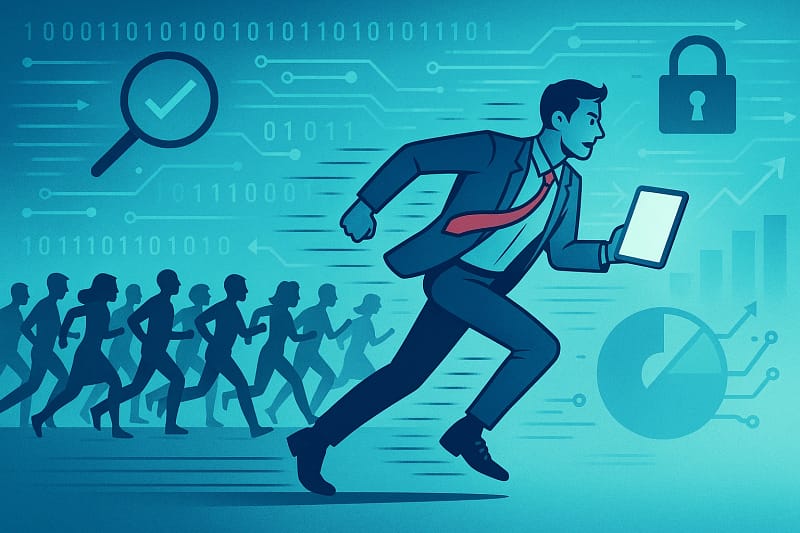
NextGen, EDR, XDR, MDR, SOC… Cyber security terminology evolves quickly, and it can feel as though a new acronym appears every few months, with products all promising stronger protection, but understanding the differences can be challenging. Traditional signature-based antivirus used to be enough, but today’s attacks move faster and target businesses of all sizes, including SMBs across the UK.
Signature Antivirus, NextGen, EDR, XDR, MDR and SOC – what they really mean for your business
Black Friday & Christmas Scams – Protecting Your Business and Staff
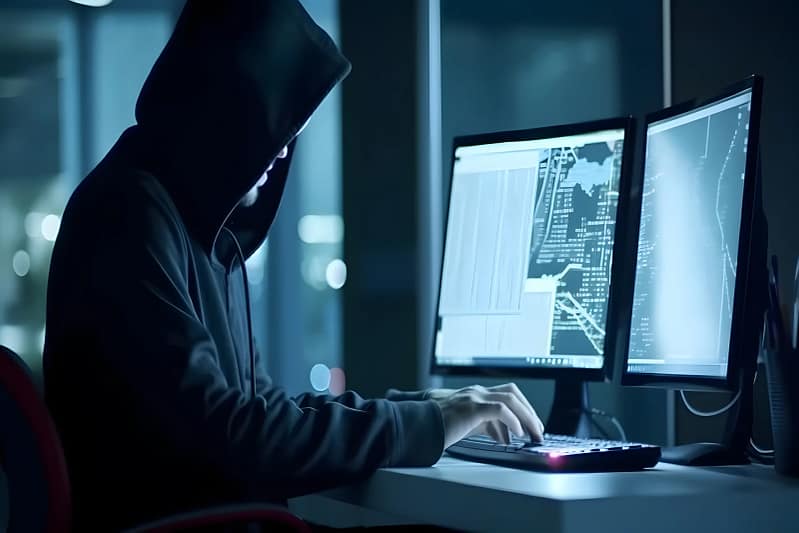
The festive season brings increased pressure, higher email volumes, and a surge in online shopping. Unfortunately, it also brings a significant rise in cyber scams. Criminals target businesses and employees with convincing emails, texts, and phone calls that appear urgent or legitimate, hoping to trick people into clicking harmful links or sharing sensitive information. As decision-makers, now is the ideal time to ensure your teams are aware of the risks and understand how to spot and avoid common seasonal threats.
What to Look Out For
1. Fake Delivery Emails and Texts
Scammers exploit the spike in parcel traffic by imitating delivery companies. These messages often include tracking links or requests for “re-delivery fees” that lead to malware or phishing pages.
2. Suspicious Online Deals
Fraudulent websites offer unrealistic discounts, particularly on tech, gaming consoles, or popular gifts. These sites may steal card details or deliver counterfeit products.
3. Email Phishing and Invoice Fraud
Cybercriminals target finance teams and executives with emails that appear to come from suppliers, colleagues, or known brands. They often request urgent payments, password resets, or access to accounts.
4. Gift Card Scams
A classic seasonal trick: attackers impersonate senior staff requesting “urgent” gift card purchases for clients or internal rewards.
5. Voice Phishing (Vishing)
Scammers make phone calls pretending to be banks, IT support, or delivery services, pressuring staff to reveal credentials or approve payments.
Best Practices to Keep Your Organisation Safe
Educate and Remind Staff
Share guidance with your teams about common scams, especially those working in finance, HR, and customer service. Encourage a culture where questioning suspicious messages is normal and expected.
Verify Before Clicking or Paying
Employees should verify any unexpected requests via a known phone number or internal chat. Never use contact details supplied in a suspicious message.
Use Strong Access Controls
Ensure staff accounts use MFA, strong passwords, and role-based access so attackers cannot escalate privileges if one account becomes compromised.
Keep Devices Updated
Regular security updates reduce the risk of malware affecting workstations, mobile devices, and company systems.
Promote Safe Online Shopping for Staff
Remind employees to avoid shopping on work devices or using business email addresses for personal purchases. This helps contain risk and prevents corporate systems from being exposed to consumer-focused attacks.
How ITCS Global Can Help
While this isn’t a sales message, it’s important to know you aren’t alone in protecting your business. ITCS Global provides ongoing security monitoring, staff awareness training, and best-practice guidance to help prevent cyber threats all year round. If you’d like support reviewing your security posture or sharing educational material with your team, we’re here to
Managed IT vs. Ad-Hoc IT Support: Which is Right for Your Business?

Many businesses turn to ad-hoc IT support to fix problems as they arise, but have you considered the hidden risks? Imagine losing days of productivity because of a single server failure or facing mounting IT costs from recurring issues. Unplanned downtime and operational disruptions can quickly derail your business’s growth. Is your business truly protected against these challenges?
With cyber threats on the rise, insufficient data backups, and unprotected endpoints, your business could be at risk. Managed IT services involve partnering with experts to oversee and maintain your IT infrastructure, offering peace of mind through proactive solutions. These services include 24/7 system monitoring, proactive maintenance to prevent issues, and customised solutions designed to keep your systems secure, compliant, and running efficiently.
Is Your IT Keeping Up
In today’s fast-moving digital world, your IT shouldn’t just be about ‘keeping the lights on’—it should be a driving force behind your success. Whether managed internally or with an external IT provider, your technology setup needs to be more than just functional. It should be secure, streamlined, and built to grow with your business—supporting your goals not just helping you get by day to day.
But how can you tell if your current IT setup is really delivering what your business needs? That’s where a quick check-up can help. Use this simple 5-point IT health check to see how your systems are performing and where there might be room to improve.
What Exactly Does a Managed IT Provider Do
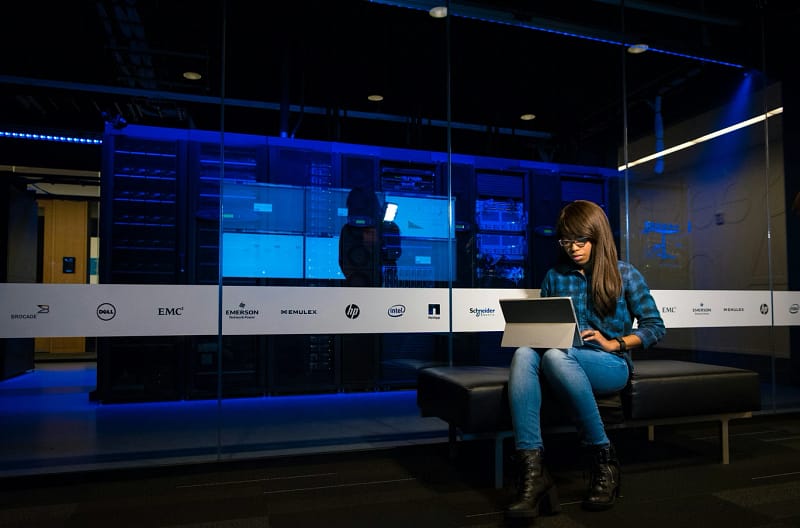
If you’ve heard the term “Managed IT provider” but aren’t exactly sure what it means — you’re not alone. As businesses grow, many find that the old “call-an-IT-guy-when-it-breaks” model just doesn’t cut it anymore. A Managed IT provider steps in as your outsourced IT department, taking responsibility for keeping your technology running smoothly, securely, and efficiently — without the overhead of hiring in-house.
From cybersecurity to 24/7 support, cloud solutions to compliance, a good Managed IT partner keeps your business running, protected, and ready to scale. Here’s exactly what they do!
Essential Email Security Measures – Free and Paid Solutions
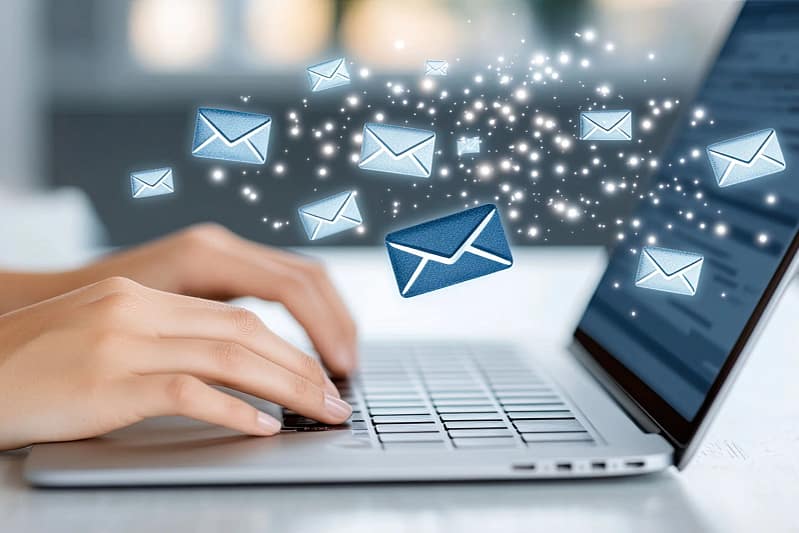
Email remains one of the most common attack vectors for cybercriminals. From phishing to malware, businesses face daily threats that can compromise sensitive data. A single email can open the door to credential theft, financial fraud, or ransomware attacks, putting both small and large organisations at risk.
Fortunately, there are several free security measures every business should implement, along with paid options for enhanced protection. By securing email accounts, businesses can prevent unauthorised access, reduce cyber threats, and maintain compliance.
Why Your Employees Are Your Biggest Cyber Risk – and Asset

When it comes to cybersecurity, the biggest threat often isn’t a hacker – it’s an employee clicking the wrong link. But here’s the good news: your staff can also be your strongest line of defence. In this post, we explore why employees are at the centre of most data breaches, how human error fuels cyber attacks, and what you can do to turn risk into resilience.
With the right training, culture, and tools, your team can go from vulnerable to vigilant – and be a key part of your cyber protection strategy.
How Global Conflicts Are Quietly Threatening Your Business IT
Why SMBs Can’t Ignore What’s Happening in the Middle East, Eastern Europe, and China… It’s easy to assume the impact stops at fuel prices, shipping delays, or headlines in the news.
But there’s another, quieter front where these global tensions are playing out: your business IT.
In this blog, we’ll explore four keyways global instability is affecting UK businesses’ IT – and what you can do to prepare for the ripple effects before they hit your bottom line.